Ætherion


ÆTHERION

Supersonic Experimental Rocket
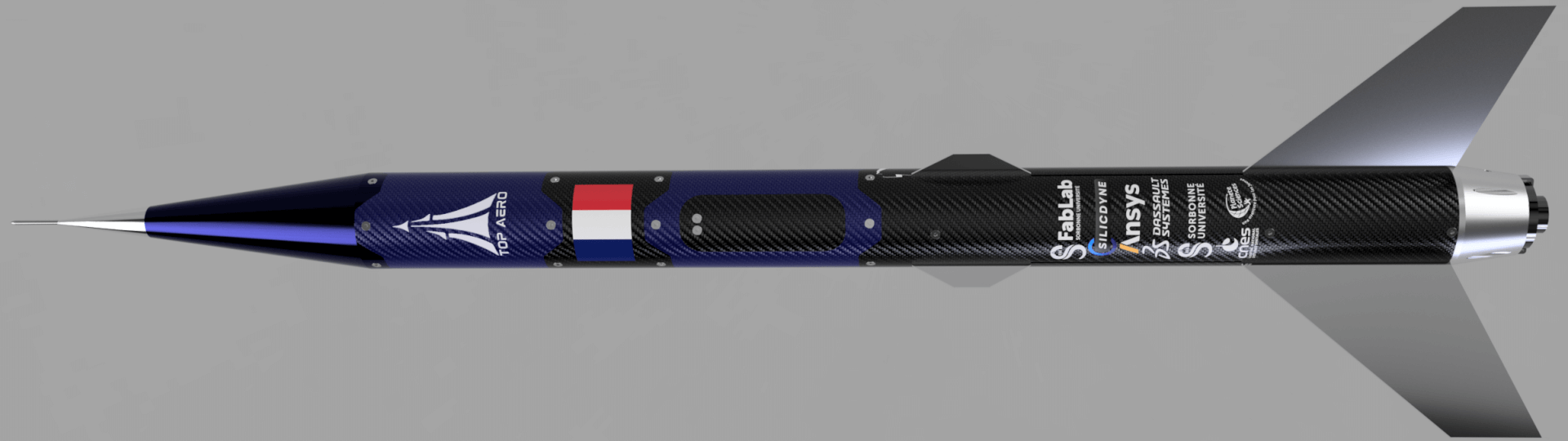
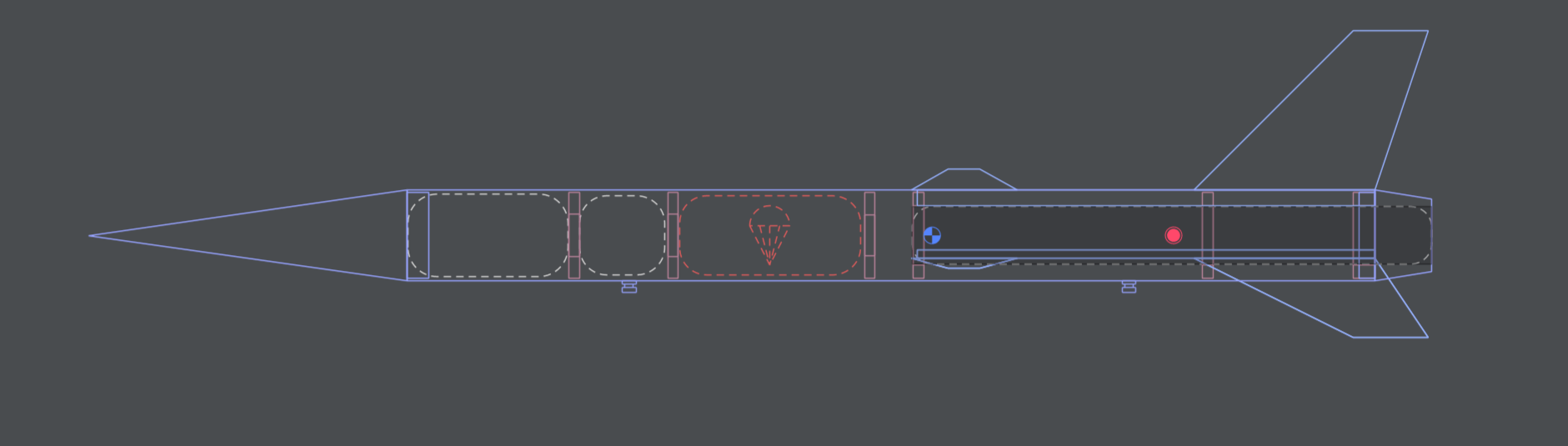
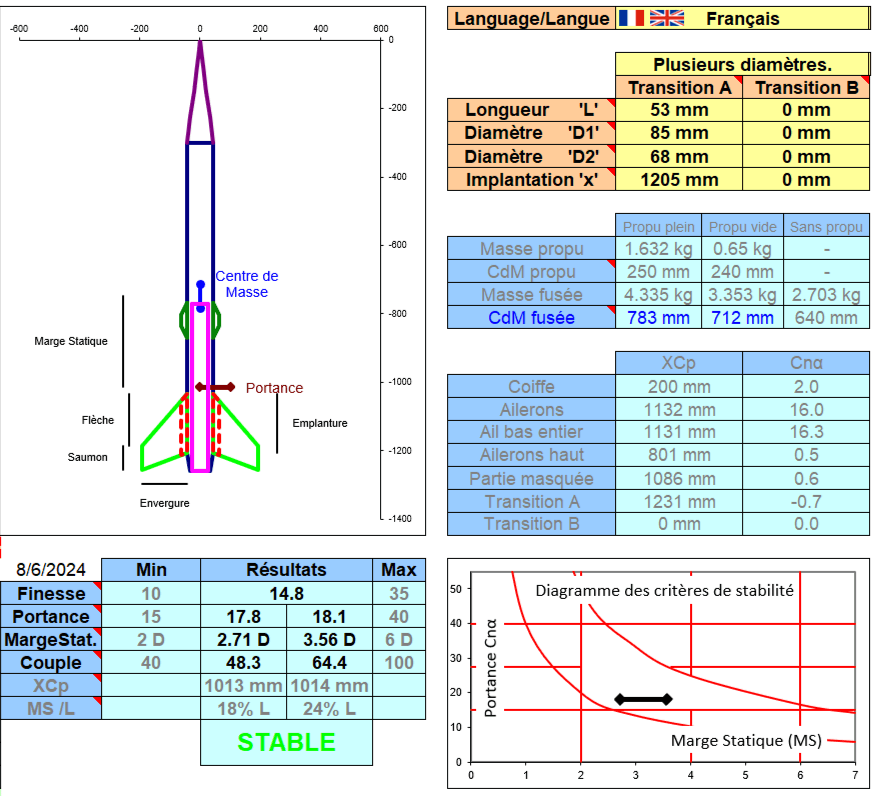
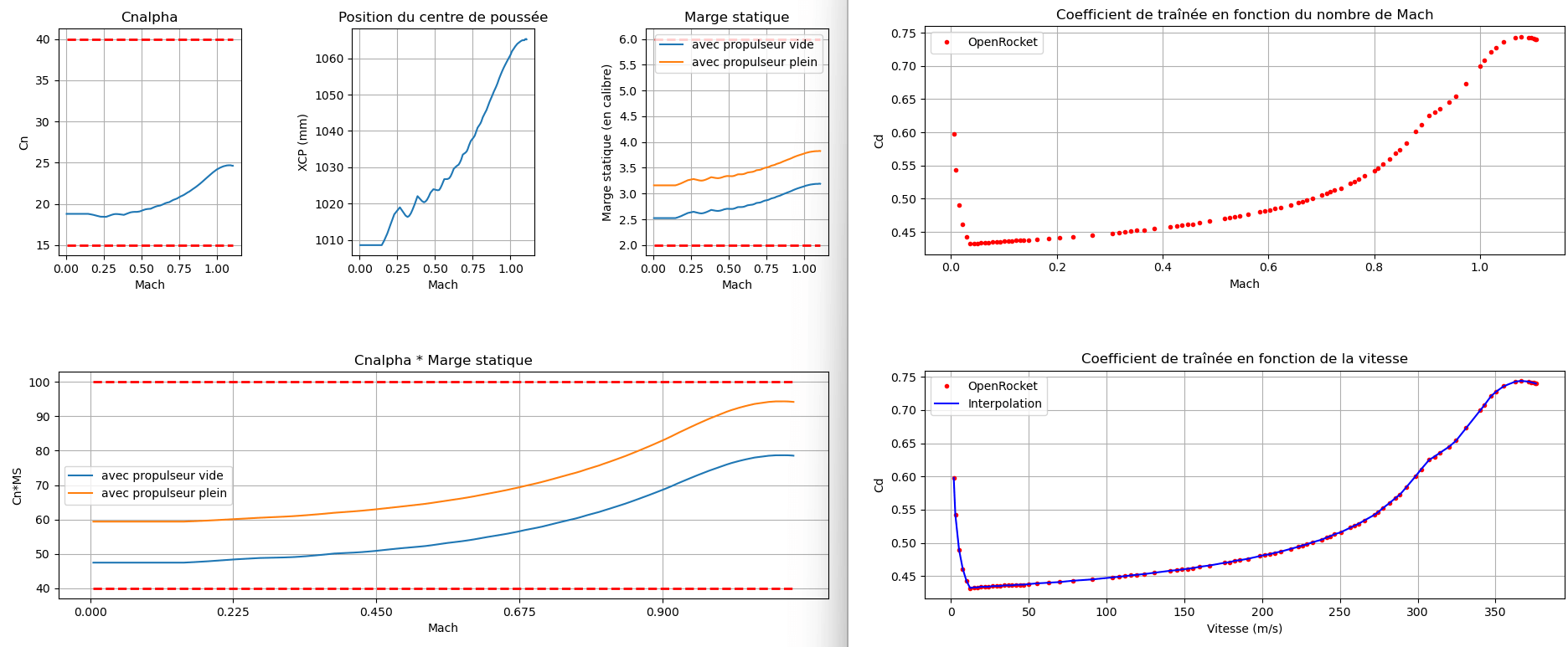
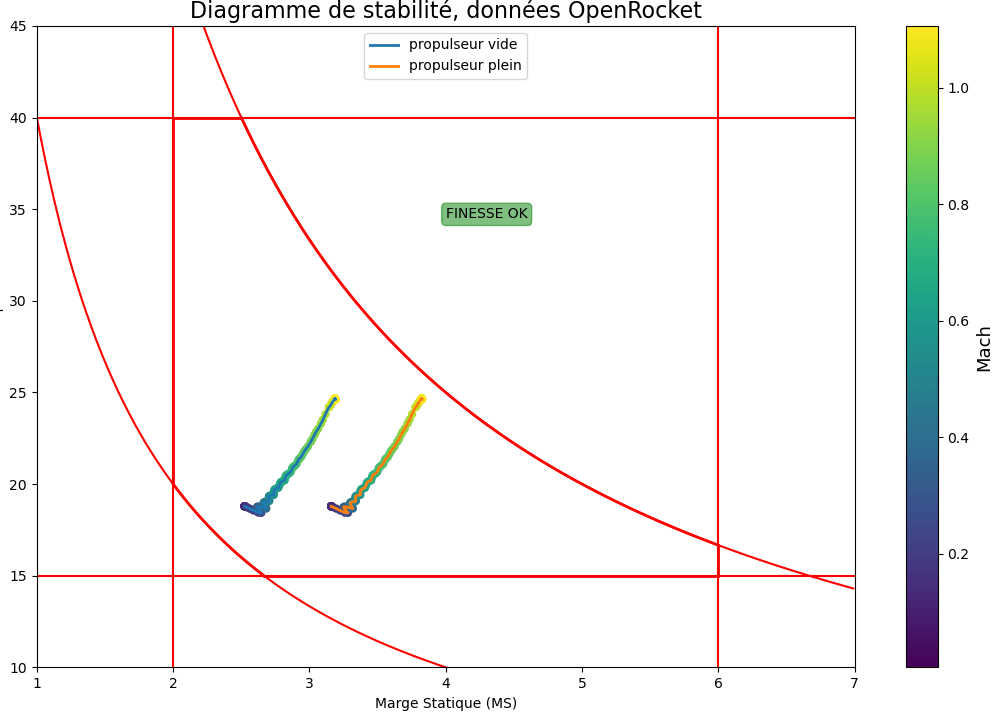
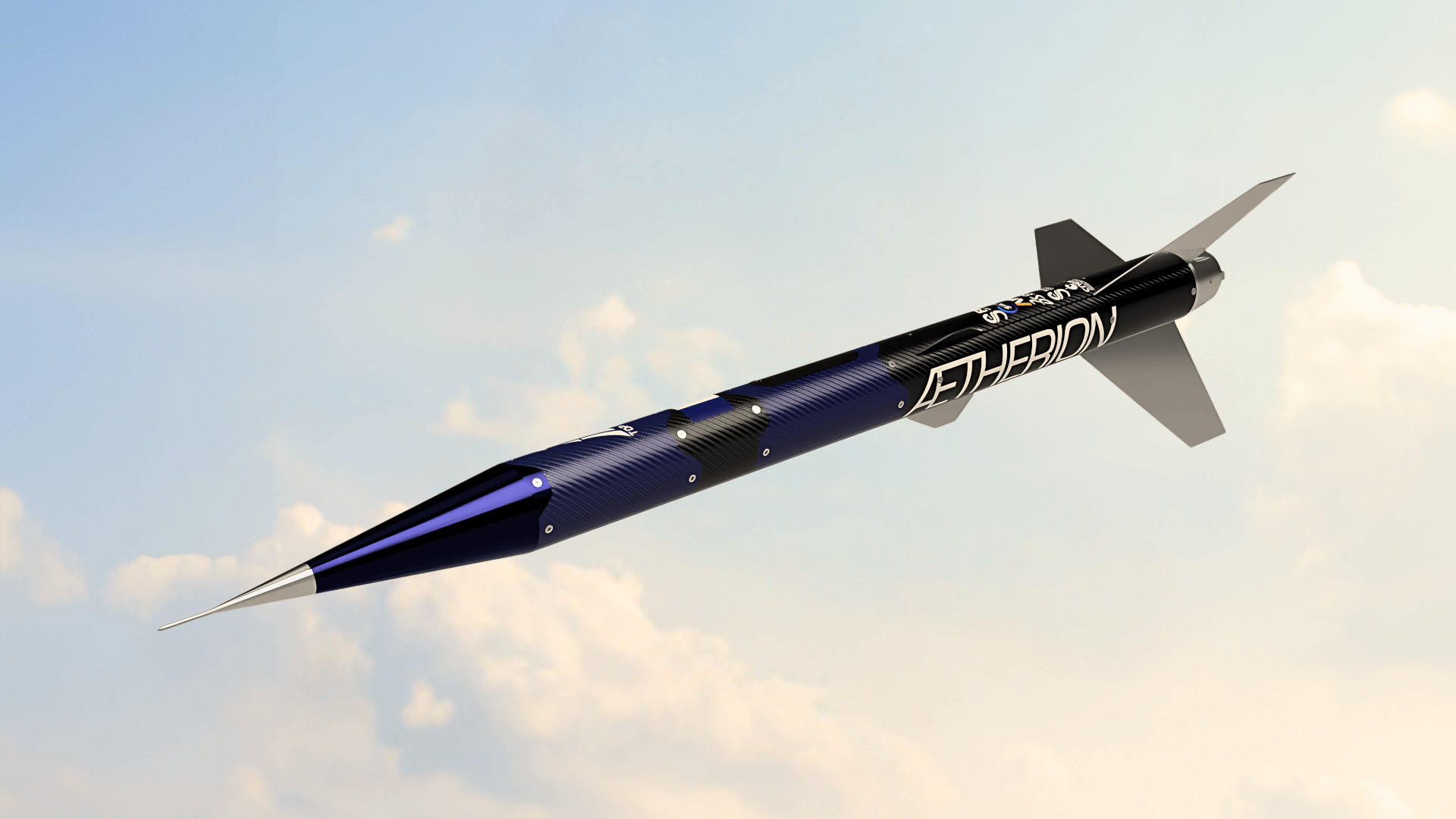
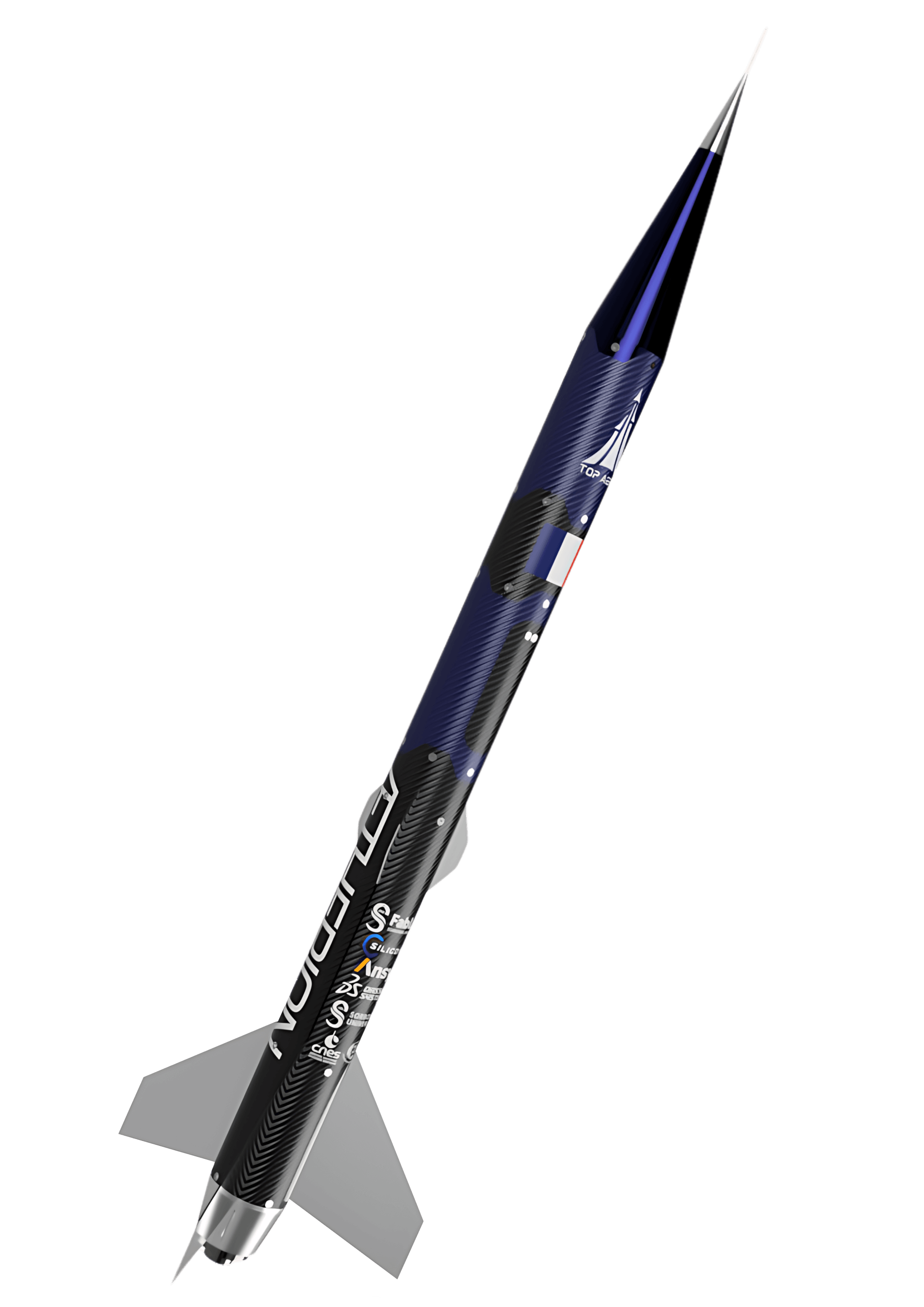
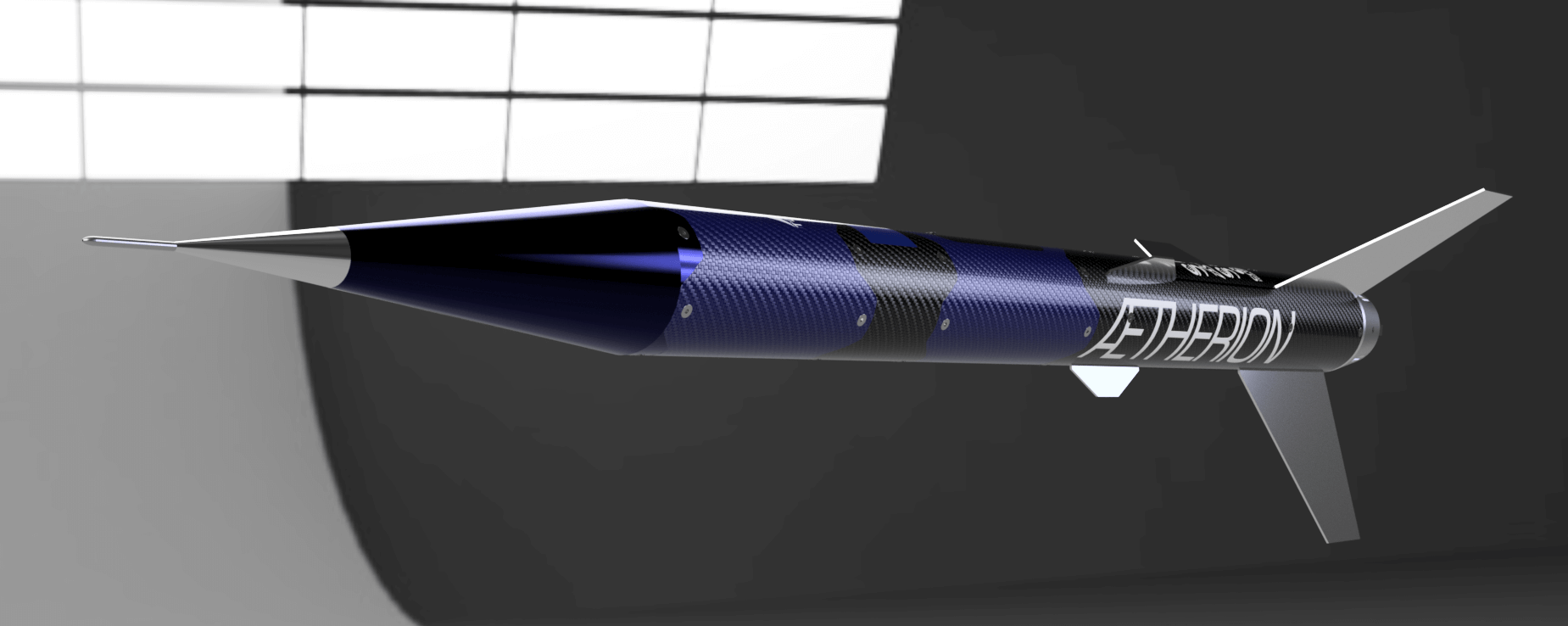
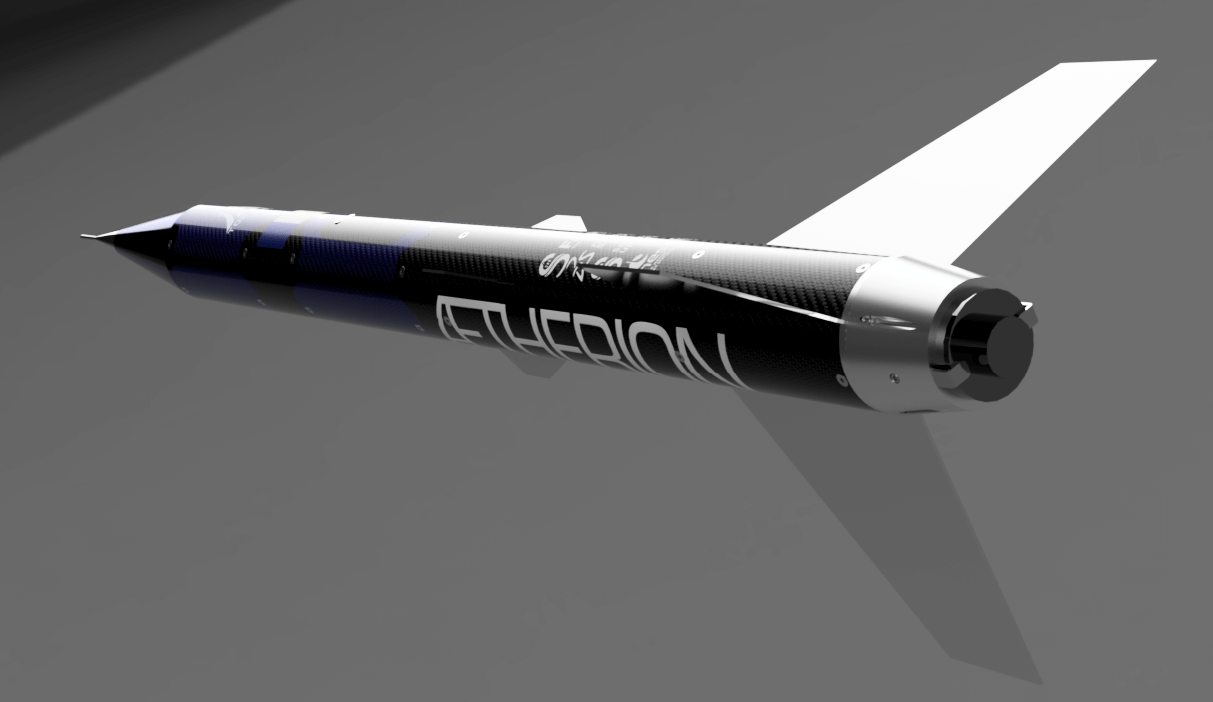
Ætherion is an experimental rocket designed to reach transonic and supersonic speeds as part of the CNES C'Space campaign. Its goal is to study the aerodynamic behavior at these speeds, with pressure measurements that will be compared to equations and numerical simulations. Ætherion features an airbrake system, a parachute, and uses the StabTraj application developed by our team, validated by CNES, to ensure stability in compressible flight regimes.

SPECS


Length

1.4 m

Diameter

10 cm

Mass

7.7 kg

Motor

PRO75 - 3G Classic


Max. thrust

1286 N

Apogee

3500 m

Max. speed

380 m/s

G-Force

13 G

OVERVIEW


The Ætherion rocket represents a significant step in the field of experimental rocketry. Designed to achieve transonic and supersonic speeds, it aims to explore the aerodynamic behavior during the transition between these two flight regimes. This project builds on the experience gained from the Zéphir rocket and incorporates improvements for a more precise study of compressible fluid dynamics phenomena.


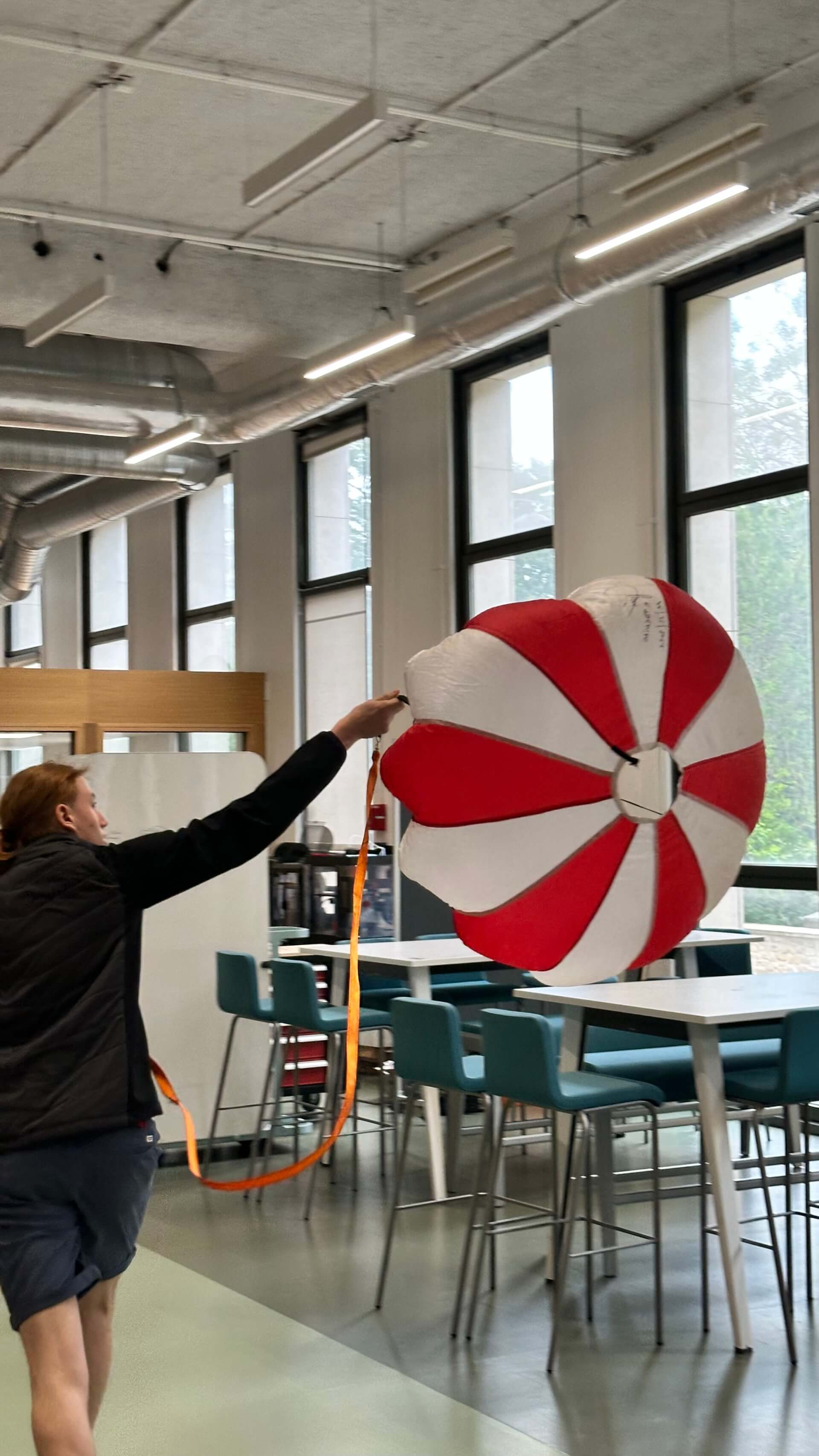
The Ætherion will be equipped with a PRO75 3G – Classic motor and an Aero-break system to control its maximum altitude, while ensuring a smooth landing thanks to a side-mounted parachute ejection system. To optimize flight stability, a StabTraj application has also been developed. The goal is to analyze shock waves, Prandtl-Meyer expansion fans, and oblique shocks, comparing experimental data with numerical simulations conducted using Ansys and SU2.


The results of this project will provide valuable insights for the design of future rockets, enhancing our understanding of supersonic flows and contributing to the advancement of cutting-edge flight technologies.
The Origins


Ætherion owes its origins to the Zéphir project, an former experimental rocket developed by Top Aero and launched in 2019 to test the basic principles of high-speed flight. Thanks to Zéphir, we gained a better understanding of the challenges of supersonic flight and in-flight stability. This experience has enabled us to make significant improvements to Ætherion, particularly in terms of aerodynamic design and management of the high pressures encountered during supersonic flight. Ætherion is therefore a natural evolution of Zéphir, incorporating the lessons learned and aiming to take its scientific approach even further.

The Origins


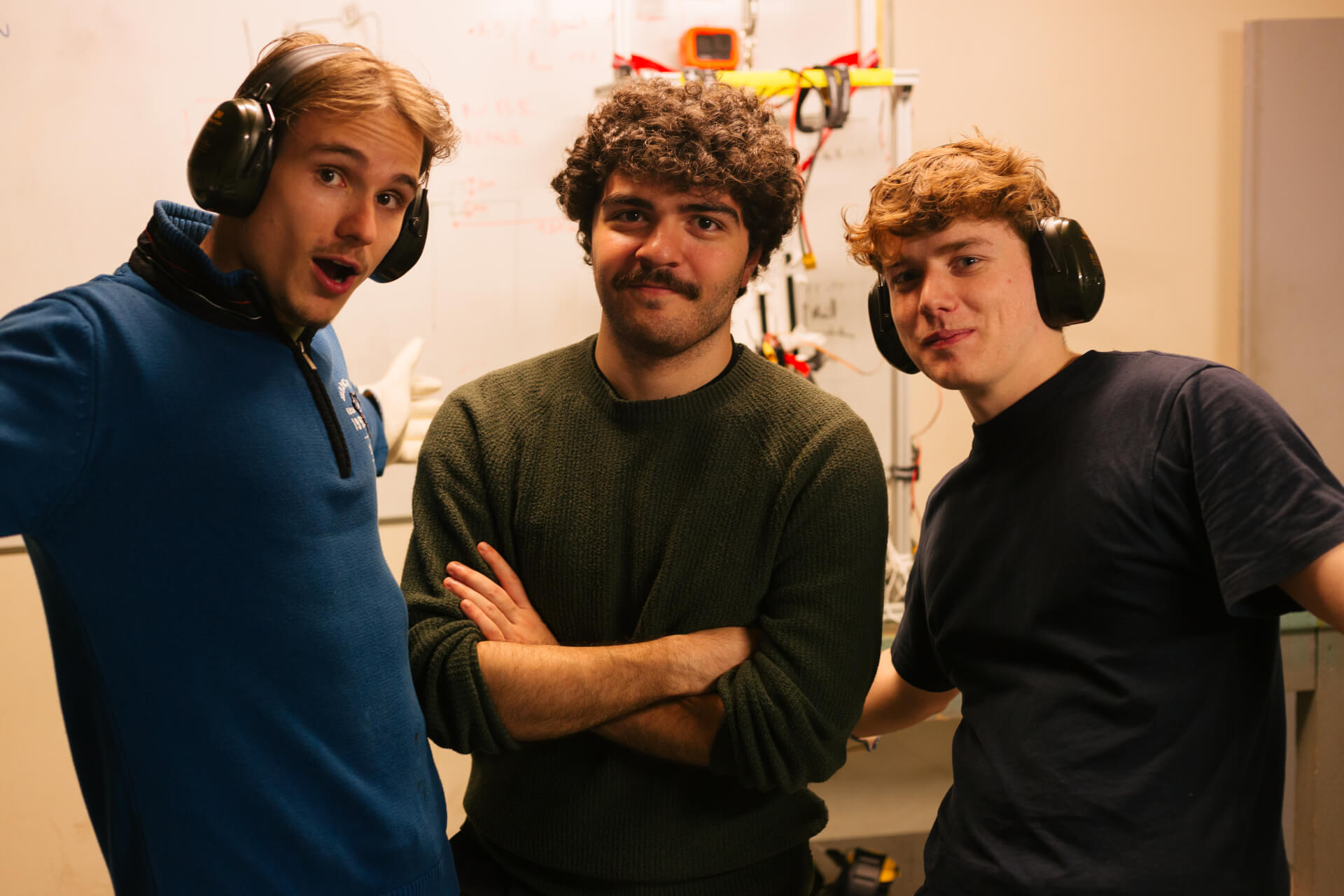
THE TEAM
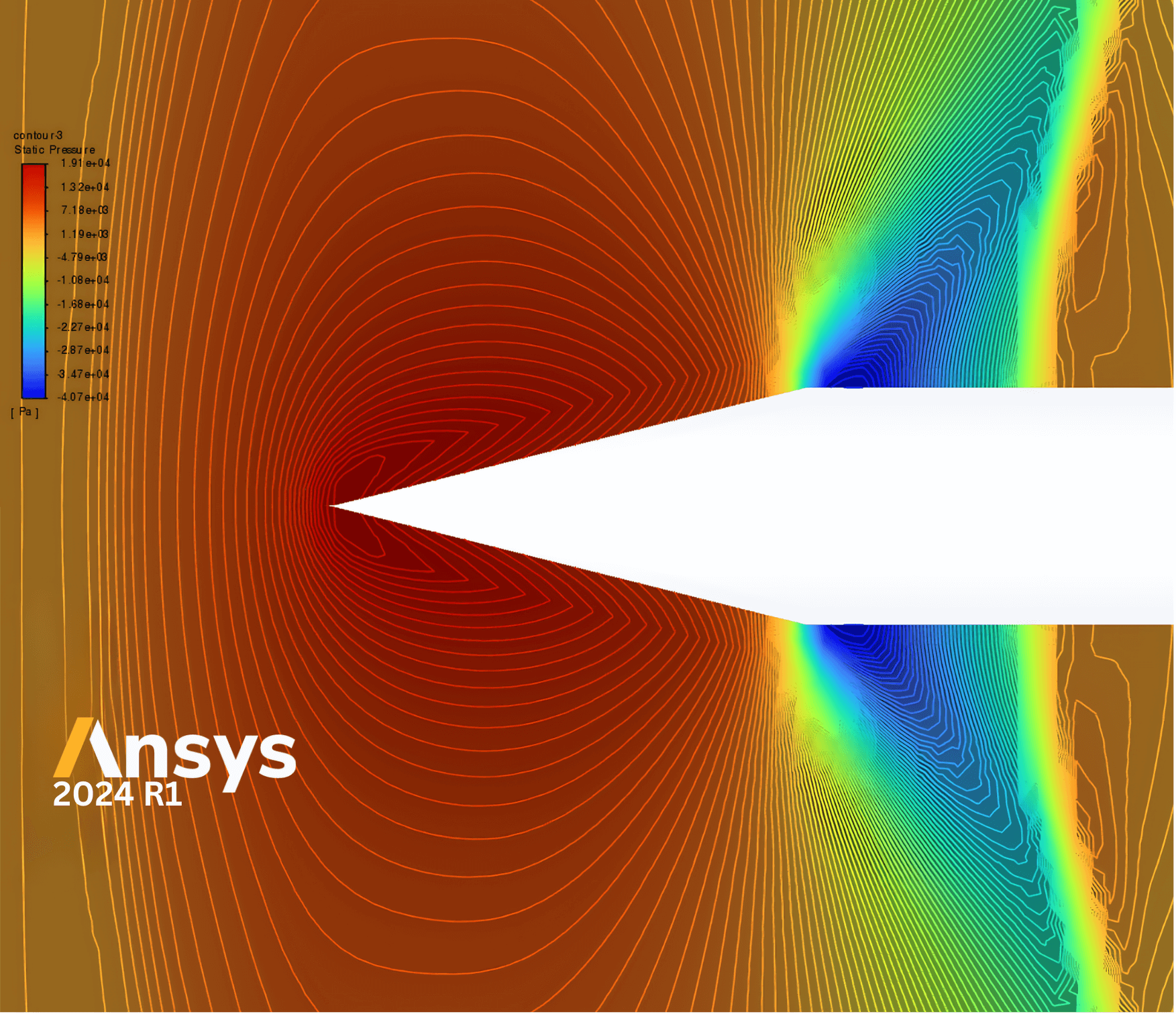


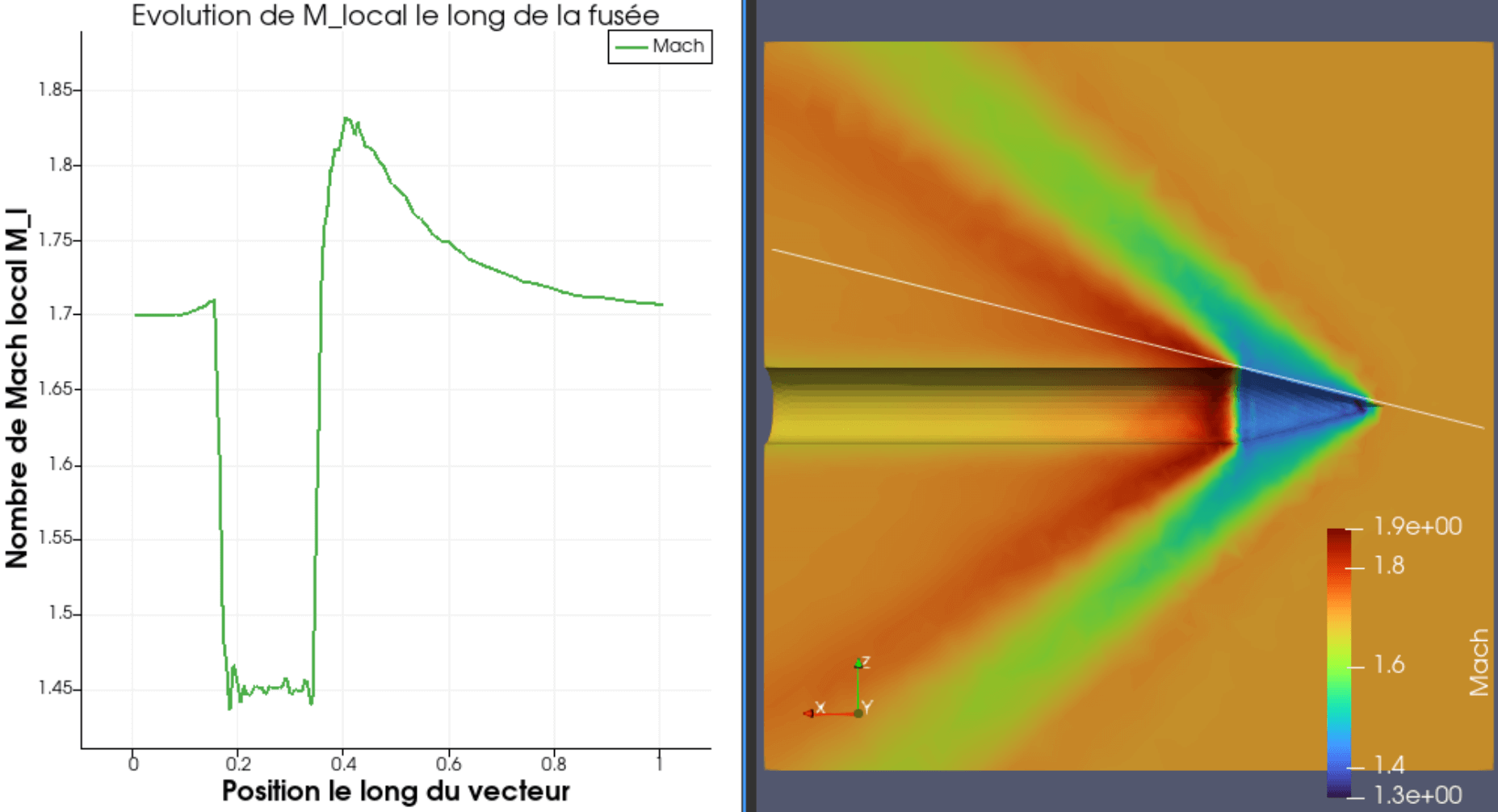
When the Ætherion rocket accelerates to supersonic speeds, it encounters a critical phenomenon in aerodynamics: the formation of shock waves. These waves occur when the air around the rocket is compressed at very high speeds, creating sudden discontinuities in air pressure, density, and temperature. This is an important phenomenon to understand, as it directly influences the stability and efficiency of the flight.

In the case of the Ætherion rocket, pressure sensors will be strategically placed around the nose cone and along the body. These sensors will record the pressure in real-time during the flight, particularly during the transition through transonic (near Mach 1) and supersonic speeds. The goal is to measure how the pressure evolves around the rocket, especially in relation to the shock waves that form in front of the nose cone. This includes:

  • Oblique shocks: which form when the supersonic airflow is deflected, creating an oblique compression.
  • Prandtl-Meyer expansions: which occur when the air rapidly expands around the rocket.
  • Bow shocks (detached shock waves): which form around bodies when the angle of deviation of the supersonic flow is too large to maintain an attached shock wave.

These measurements will allow us to validate simulations performed with computational fluid dynamics software such as Ansys and SU2, which have modeled the aerodynamic behavior around the rocket. By comparing the real data with the numerical predictions, we will gain a better understanding of the formation and intensity of shock waves and adjust the models accordingly for future flights.

OUR SPONSORS