PEGASUS (Drone)
2018
-
2022
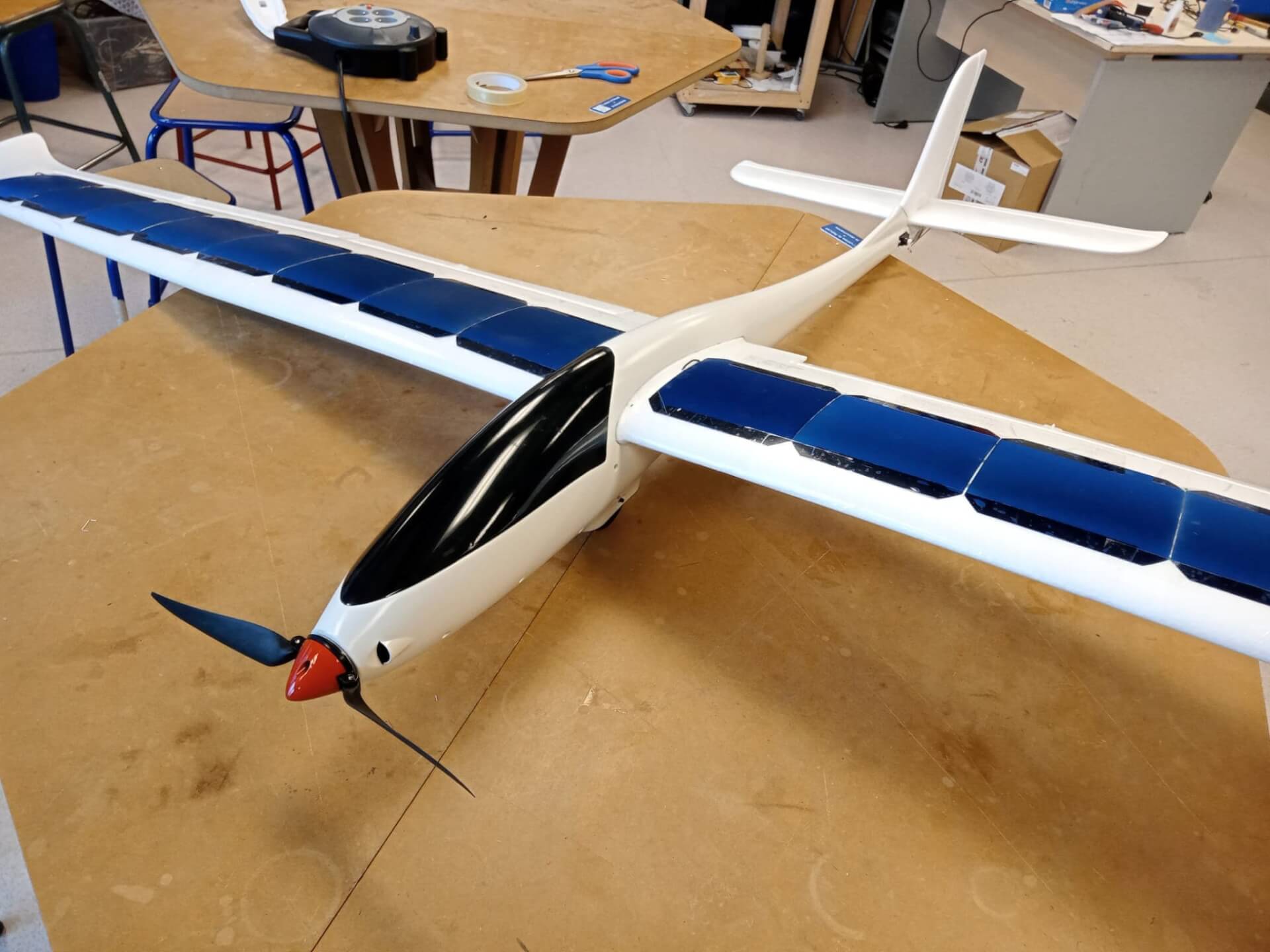
A drone is an unpiloted aircraft without passengers that must be able to fly autonomously or to be controlled from a distance. Our solar-powered drone has been in development for 4 years now, has a wing span of two and a half meters, is one meter long, and is equipped with a series of solar panels on its wings, allowing its batteries to recharge during flight. This project was made with the objective to increase the autonomous capabilities of the drone with respect to environmental protection. This is a true challenge and requires students' knowledge of mechanics, electronics, and energy.
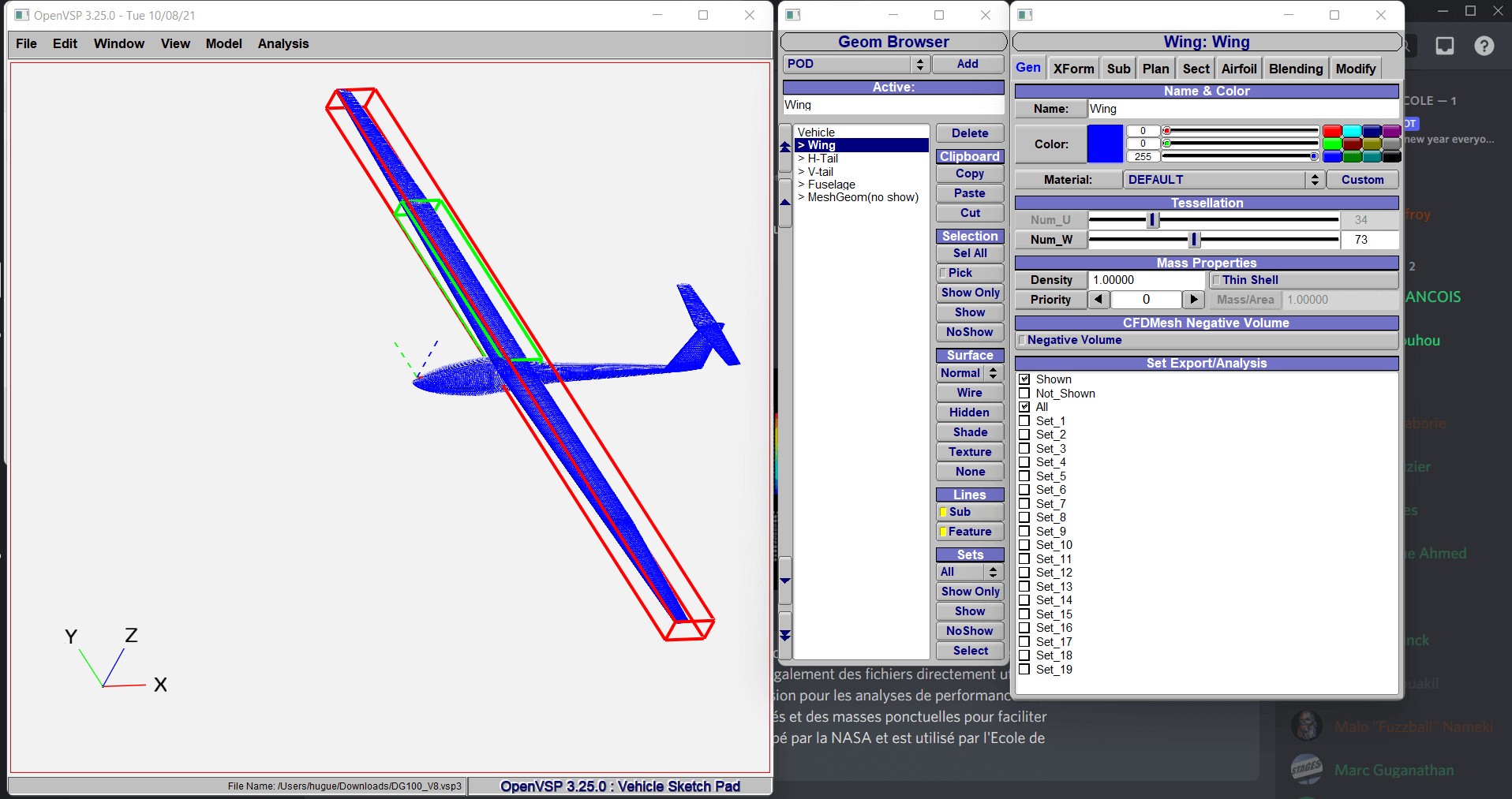
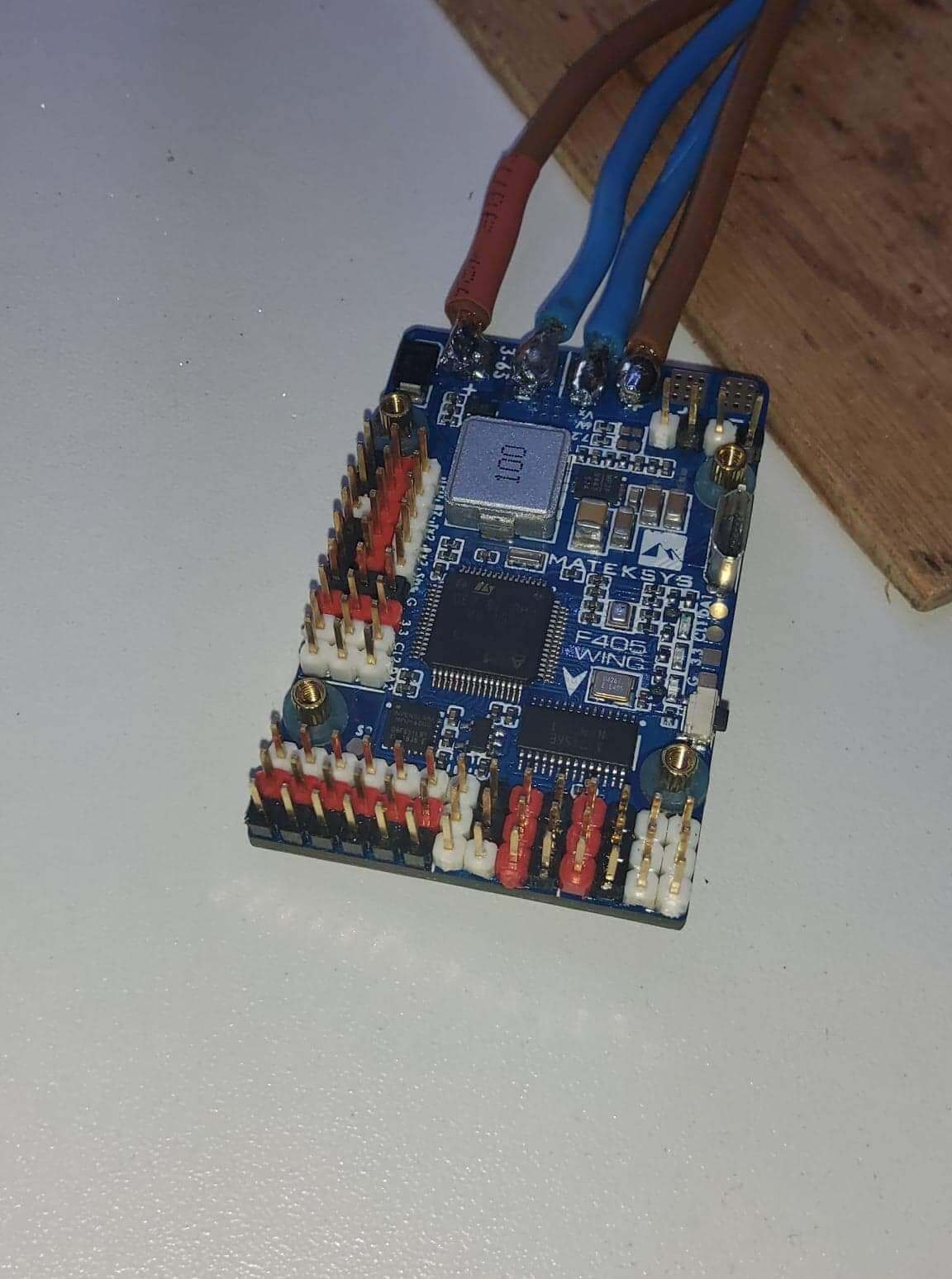
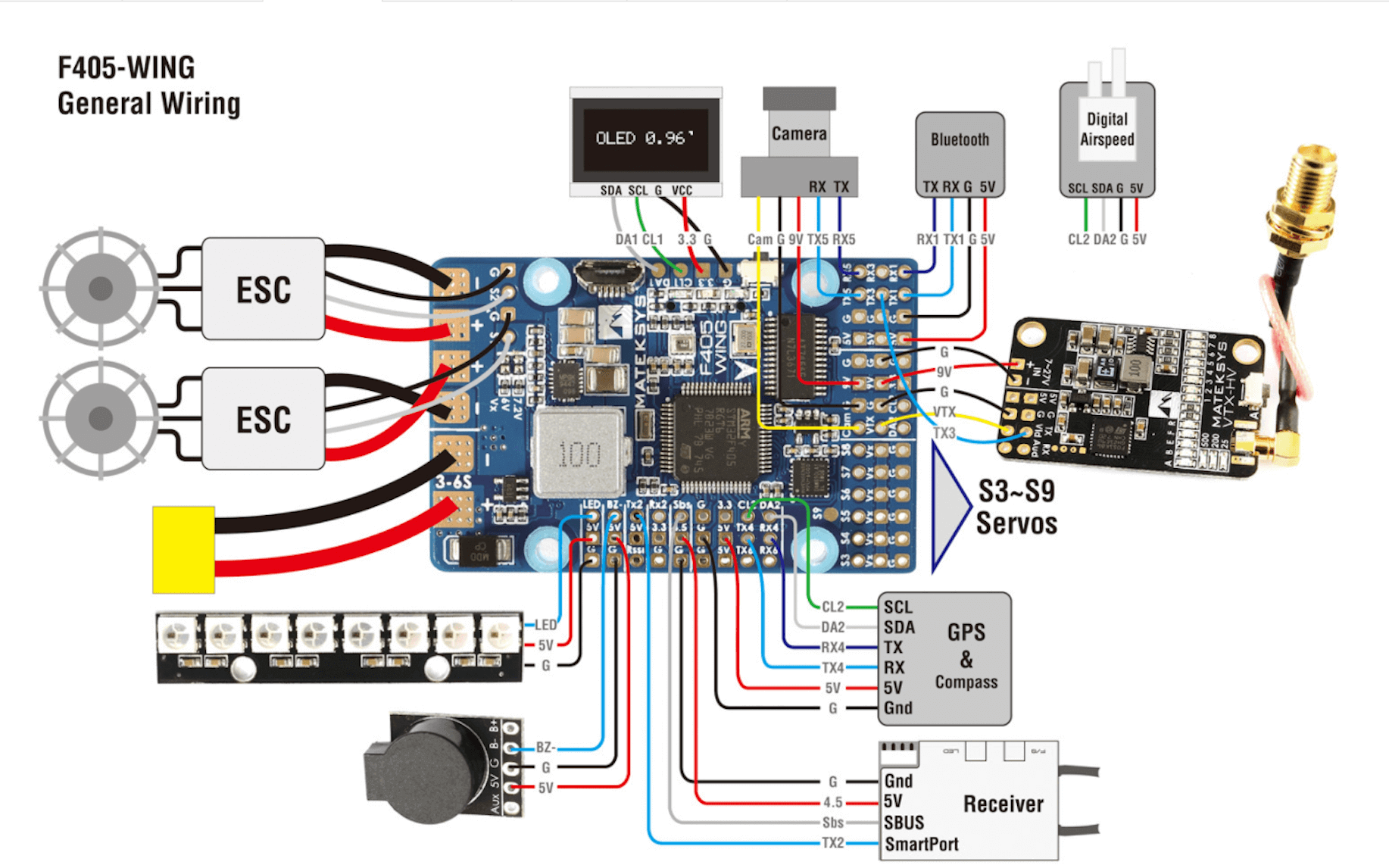
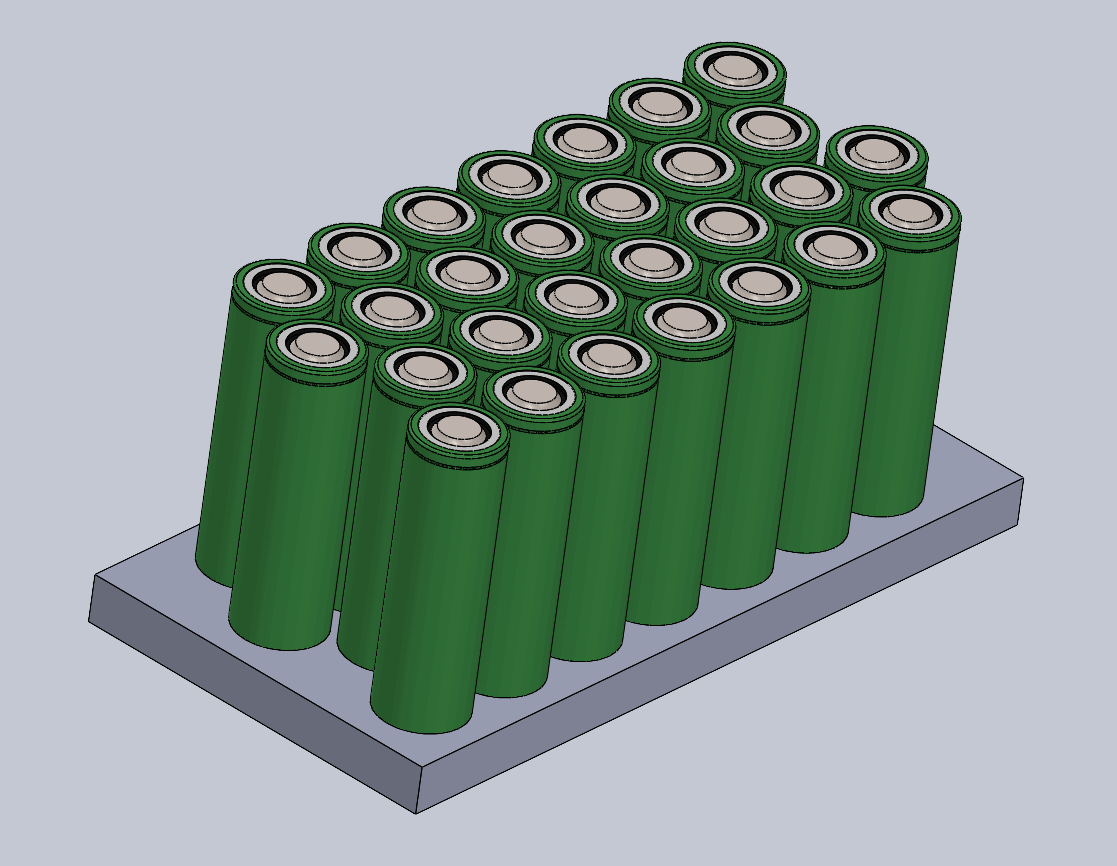
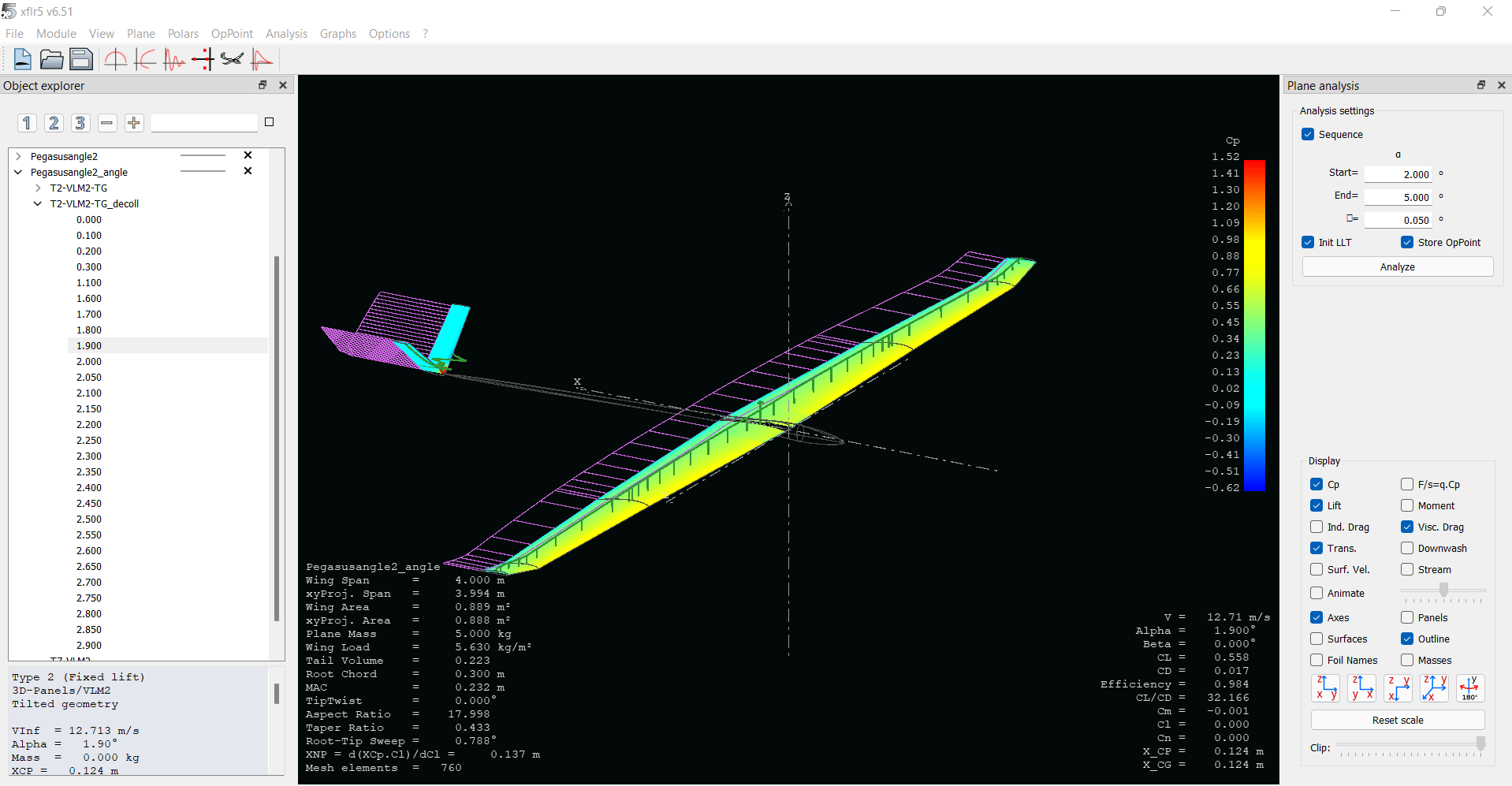
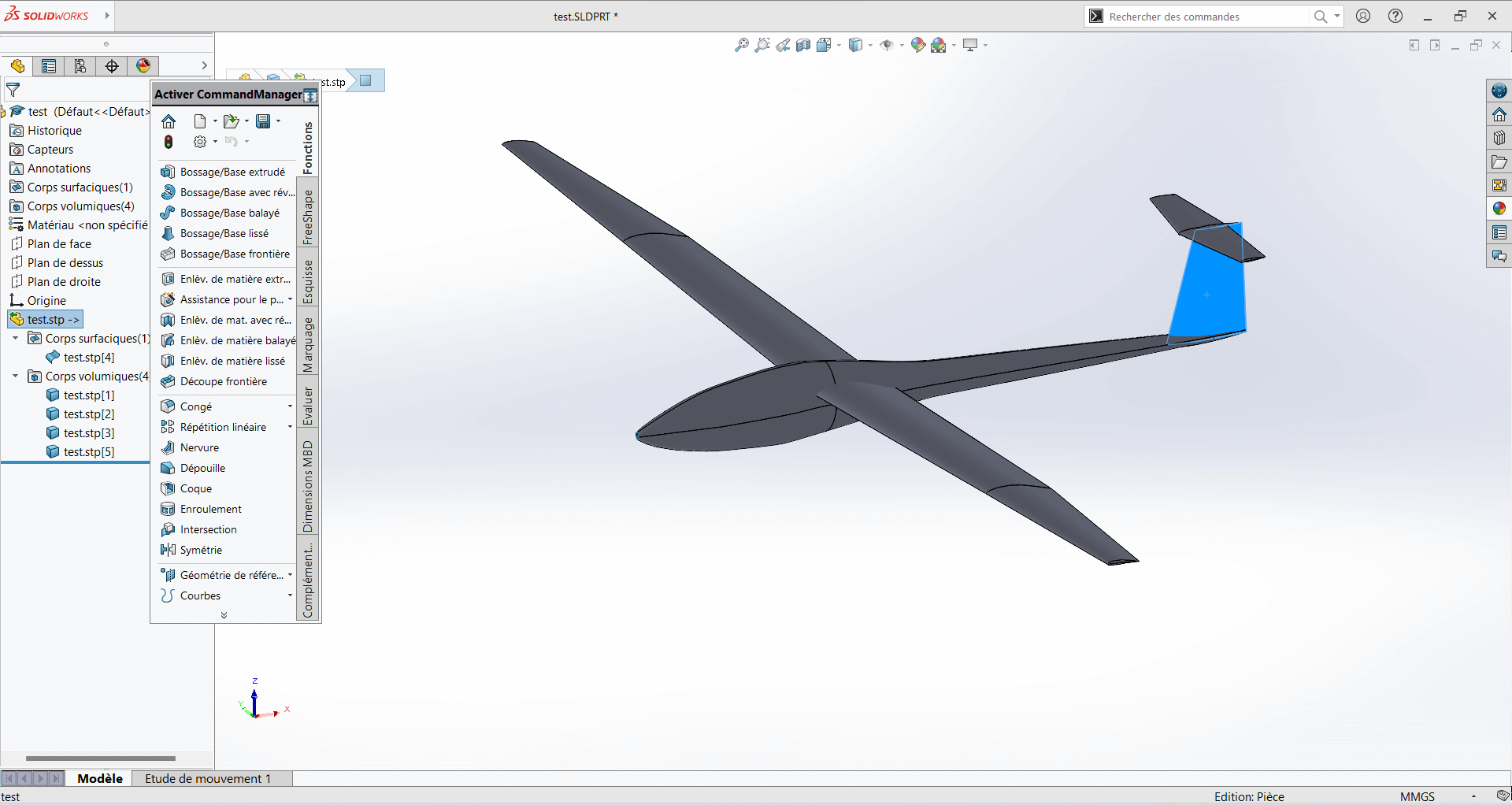
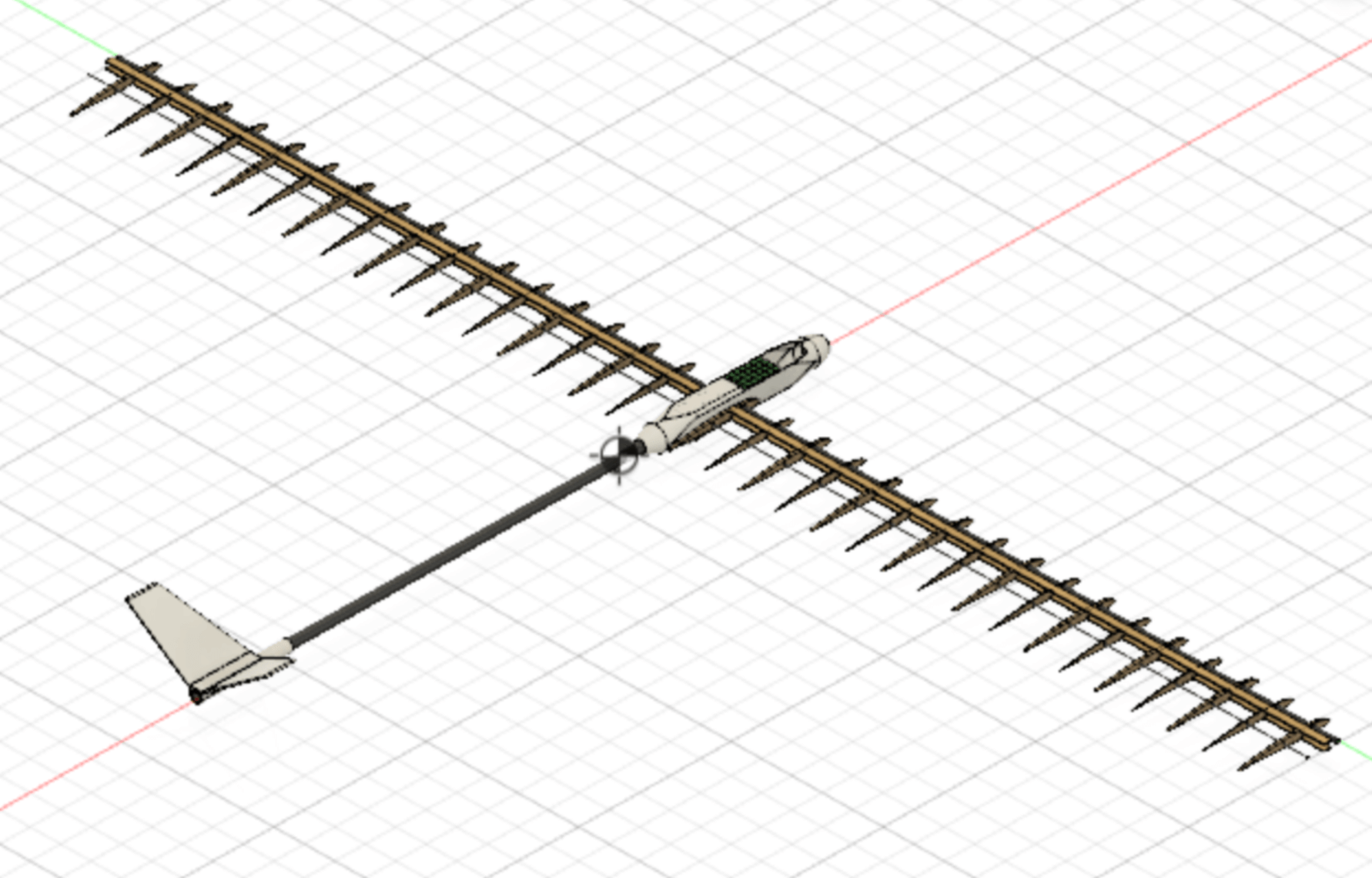
The CAD of the main unit, the necessary materials, and the electrical layout were all determined throughout the past three years.
More recently, we conducted a series of simulations on the drone's CAD with the help of software such as XFLR5, XFoil, and OpenVSP.
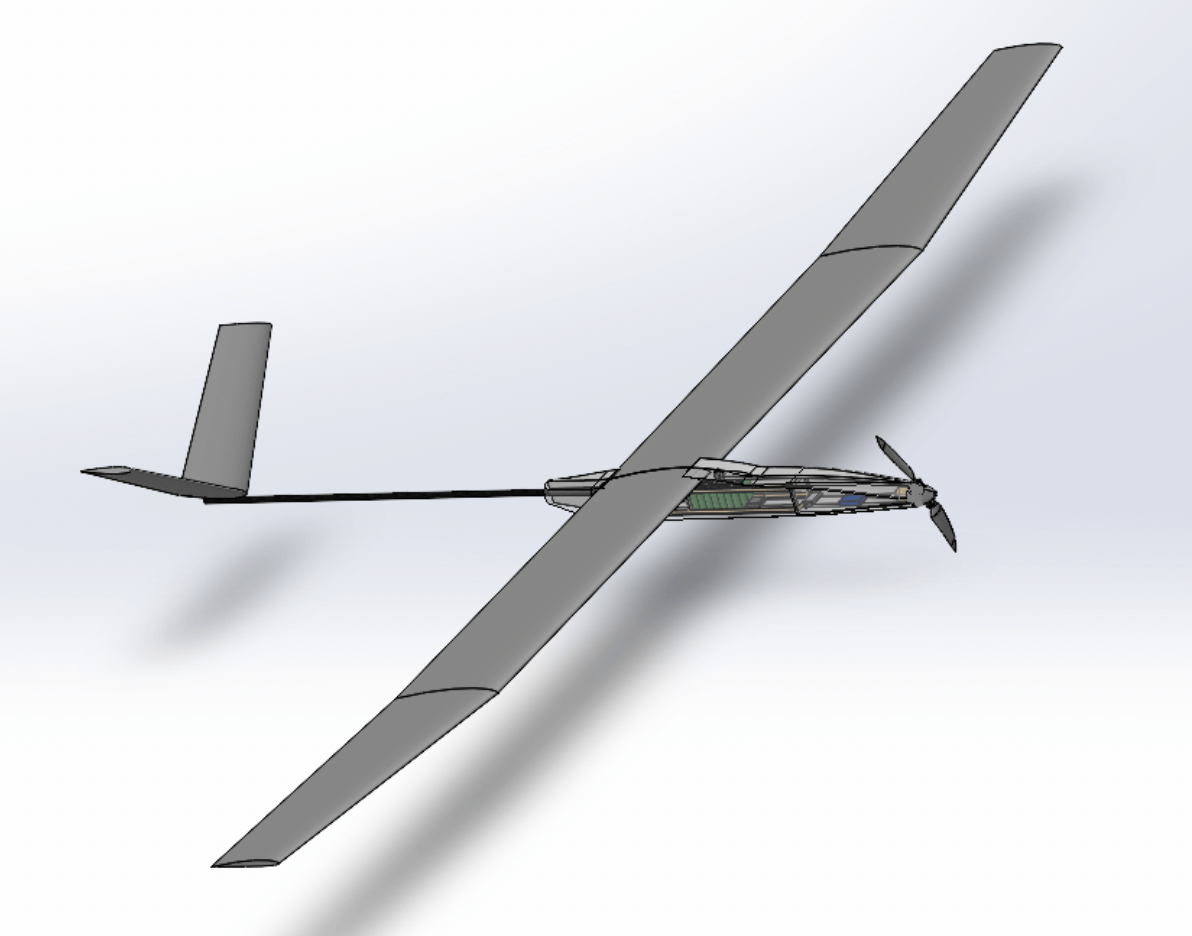
Once the CAD was finished, we decided to evaluate the drone's autonomous flight capabilities. To do this, we use a Volantex 759-3 Phoenix 2400- which fits all of our predetermined needs using the CAD. Once we have achieved this, we will begin building our CAD.
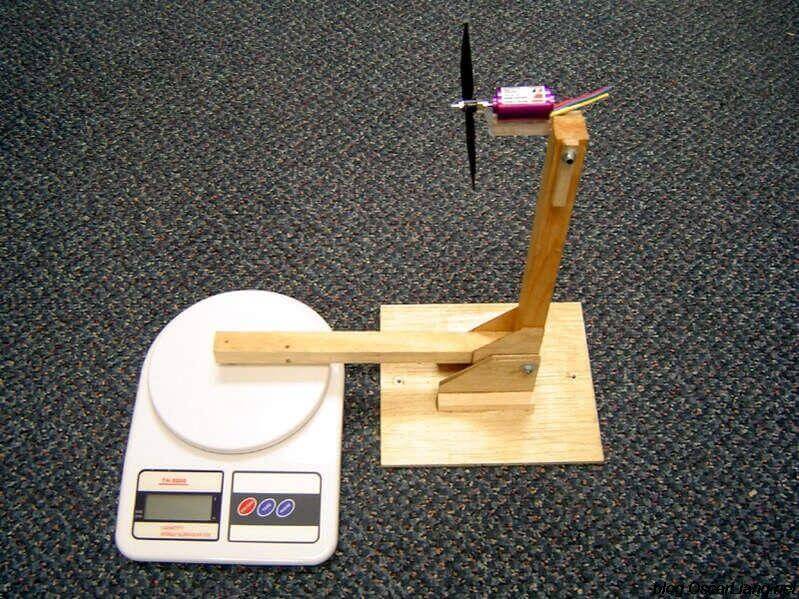
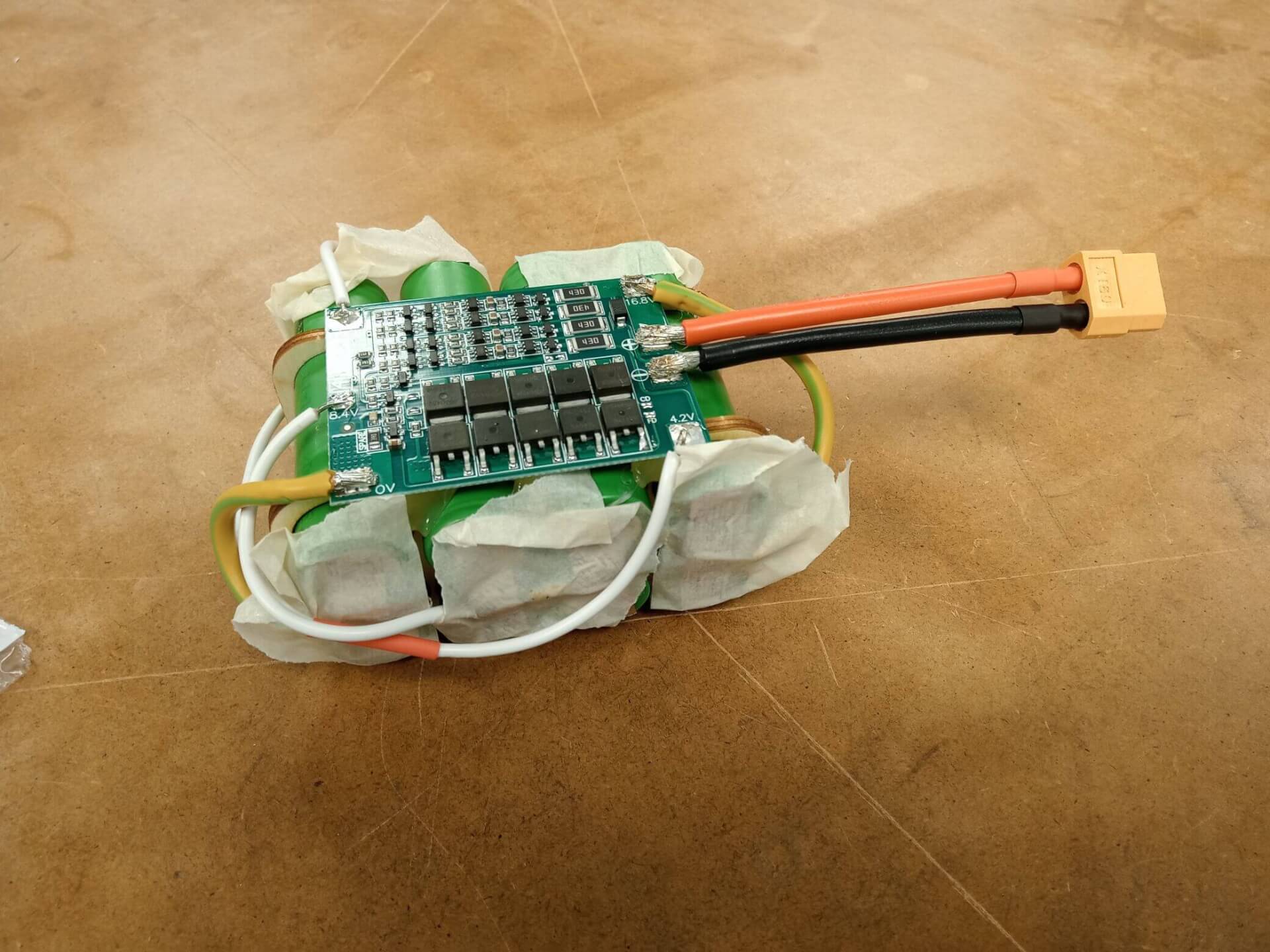
In terms of electronics, we built a test bench allowing us to measure the power generated by the motor with respect to the input voltage, as well as build a 4S2P battery.
Test hélice
PEGASUS' First Flight
After ordering the Volantex 759-3 Phoenix 2400- we were able to conduct our first test flight. The next steps will be to add solar panels to the wings and a functioning autopilot.
If you want to keep up with our progress on a daily basis :
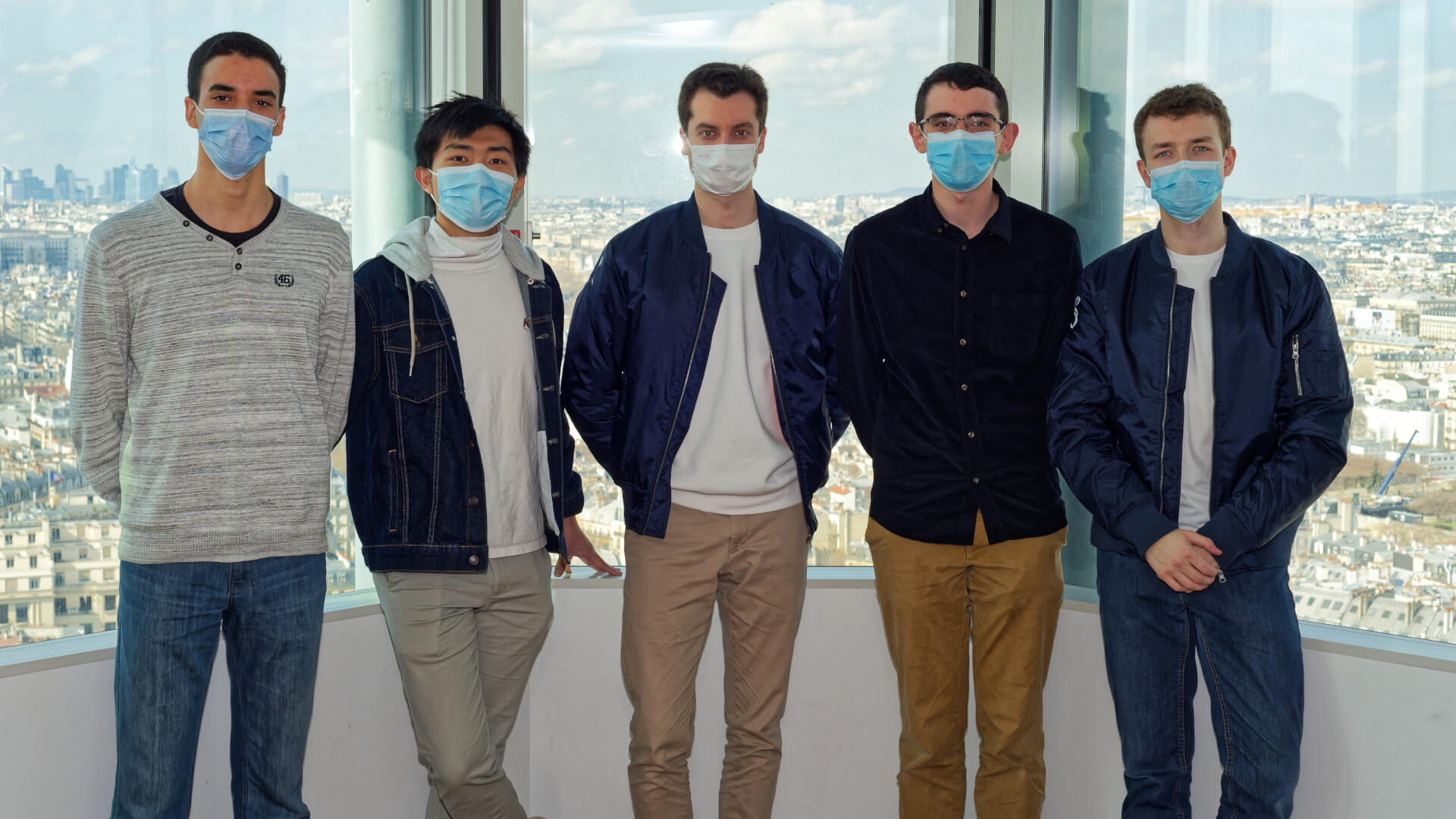
The Team